Can a company's level of industrial safety influence an investor's decision? And how are engineering solutions for industrial protection connected to insurance and access to financing?
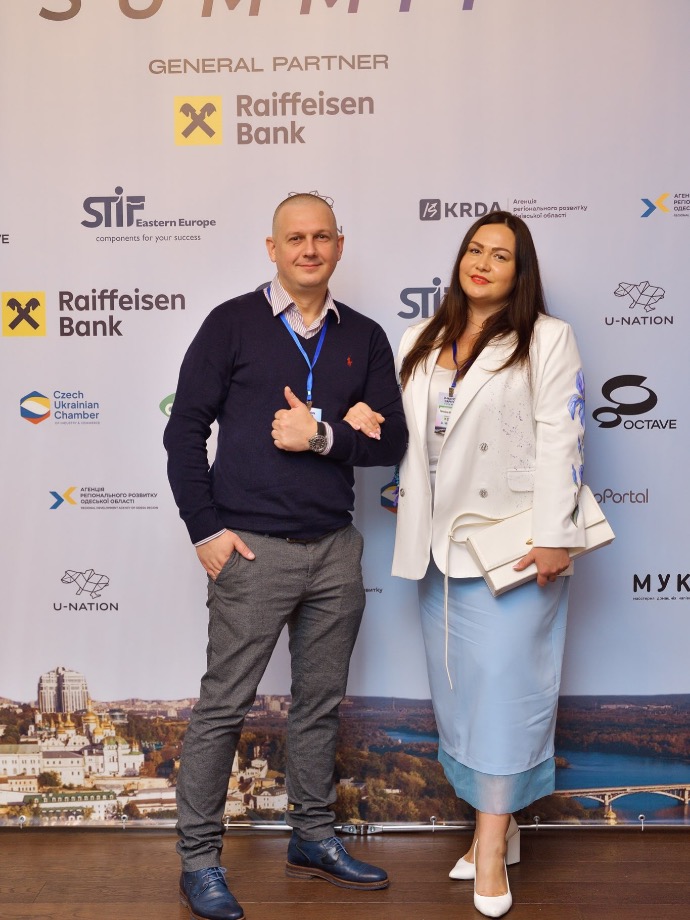
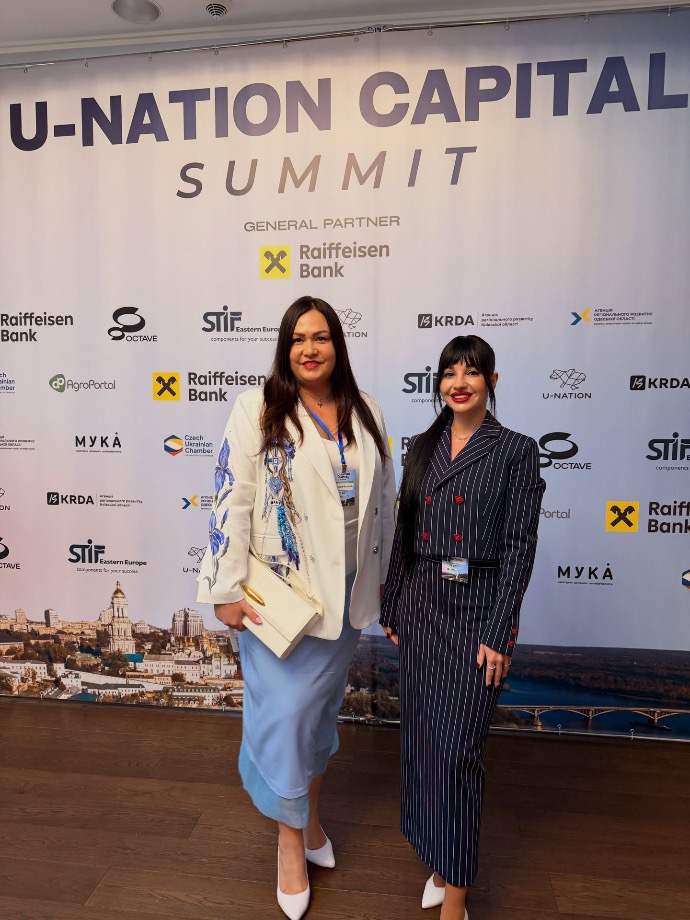
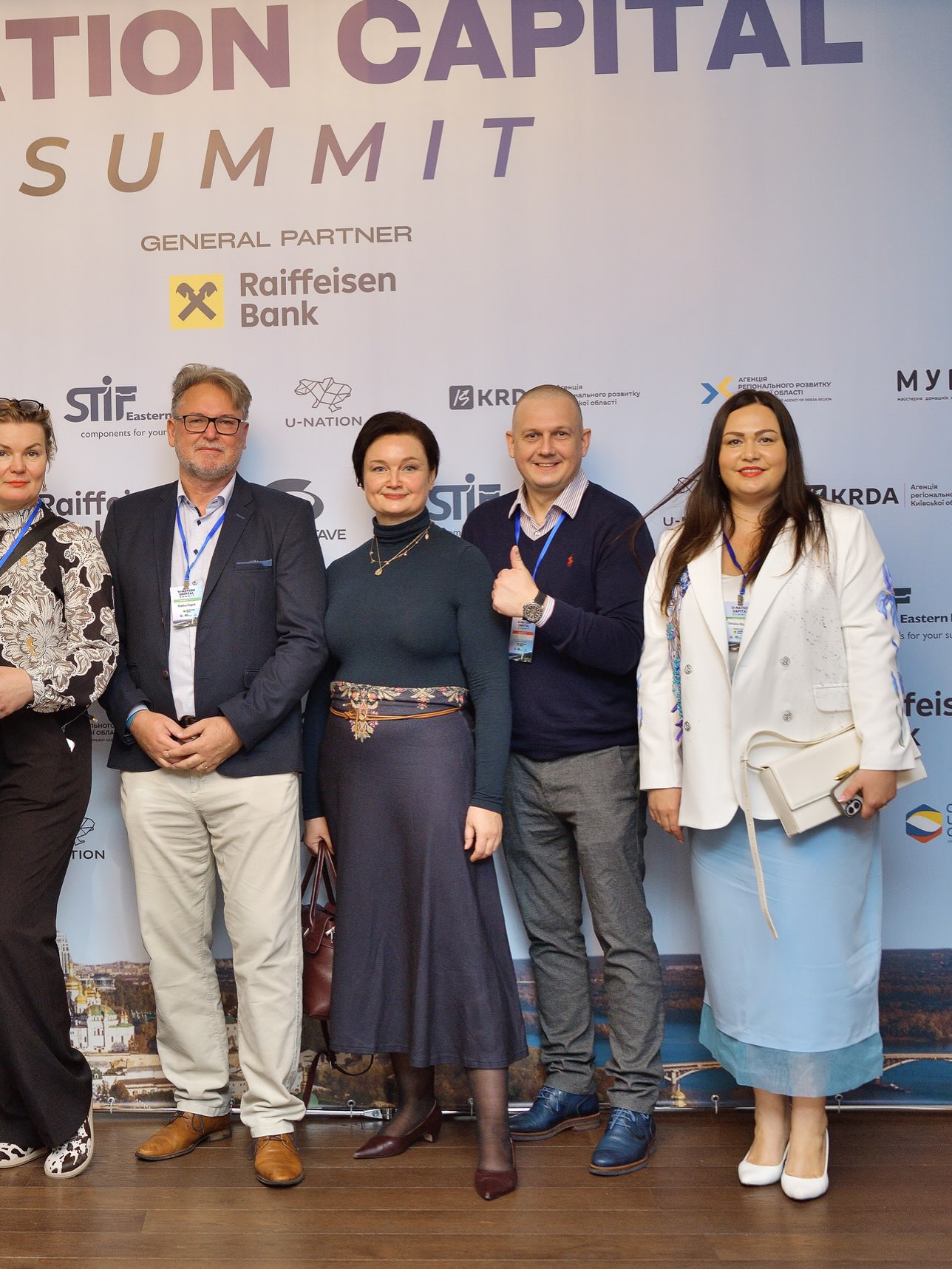
These were among the key questions raised by STIF Eastern Europe during U-Nation Capital Summit 2026, held on October 27 in Kyiv. The event brought together representatives of Ukrainian businesses, international investment and financial institutions, industrial companies, and international cooperation organizations.
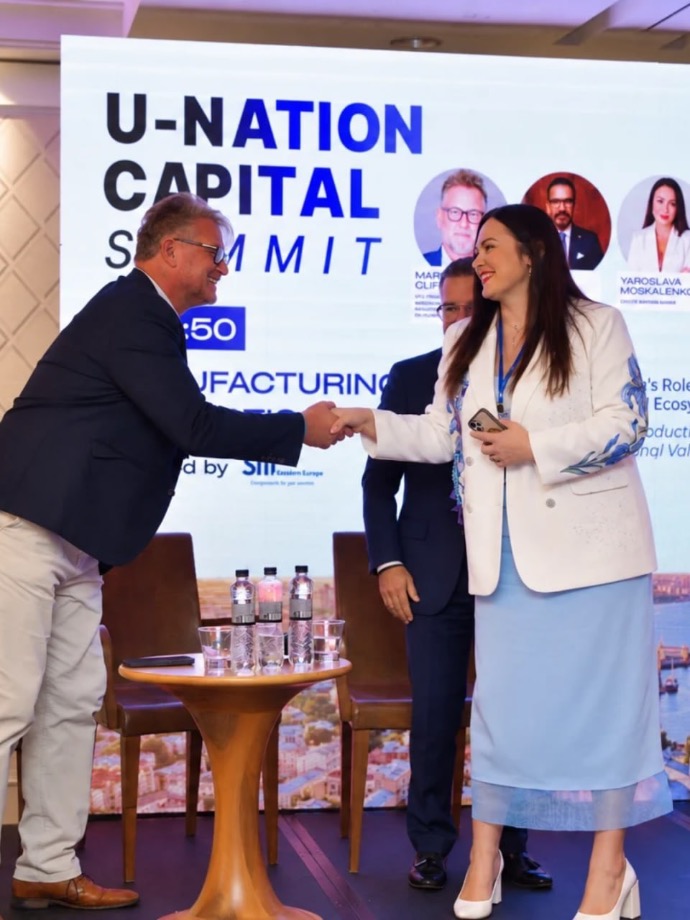
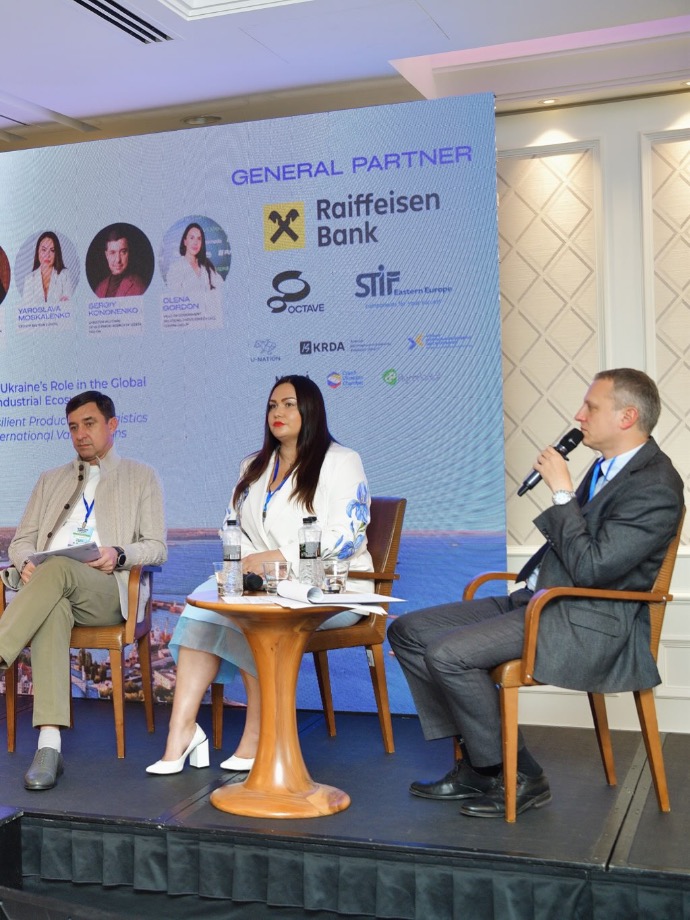
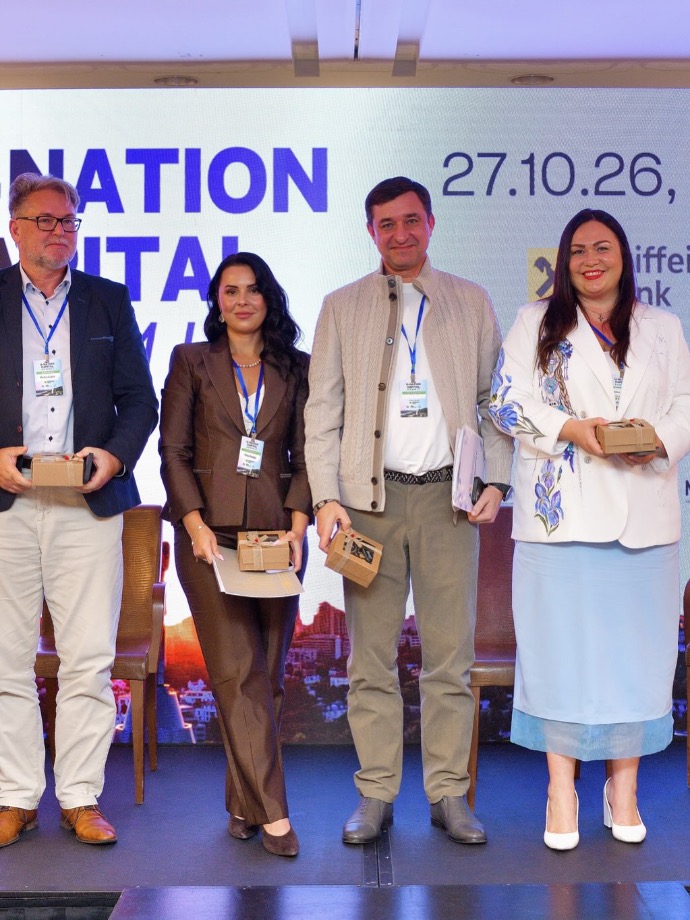
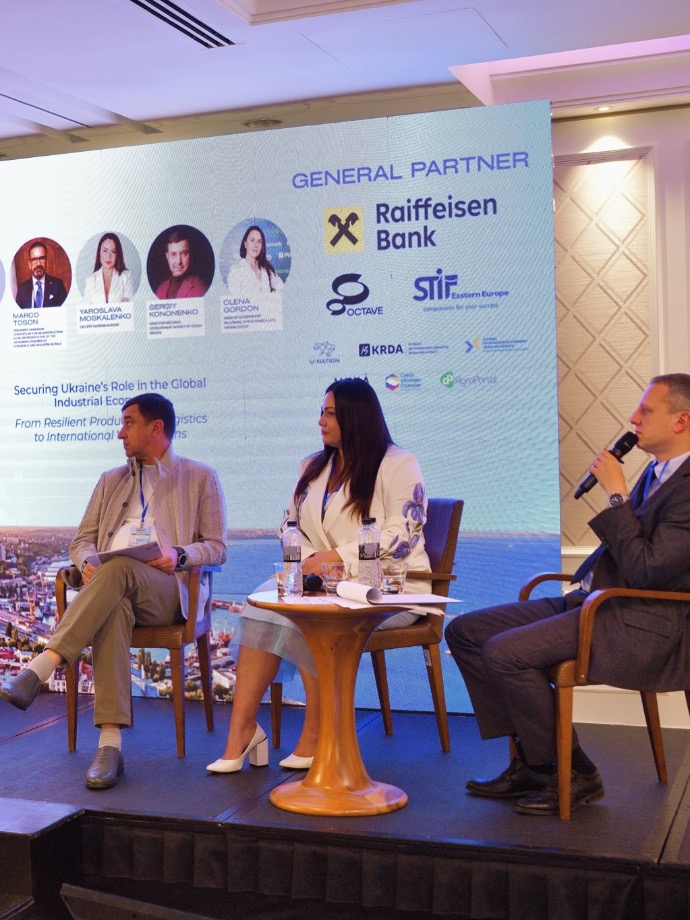
STIF Eastern Europe served as a partner of the Manufacturing & Logistics industry panel, dedicated to the development of Ukrainian manufacturing, logistics infrastructure, and investment opportunities in Ukraine's economy.
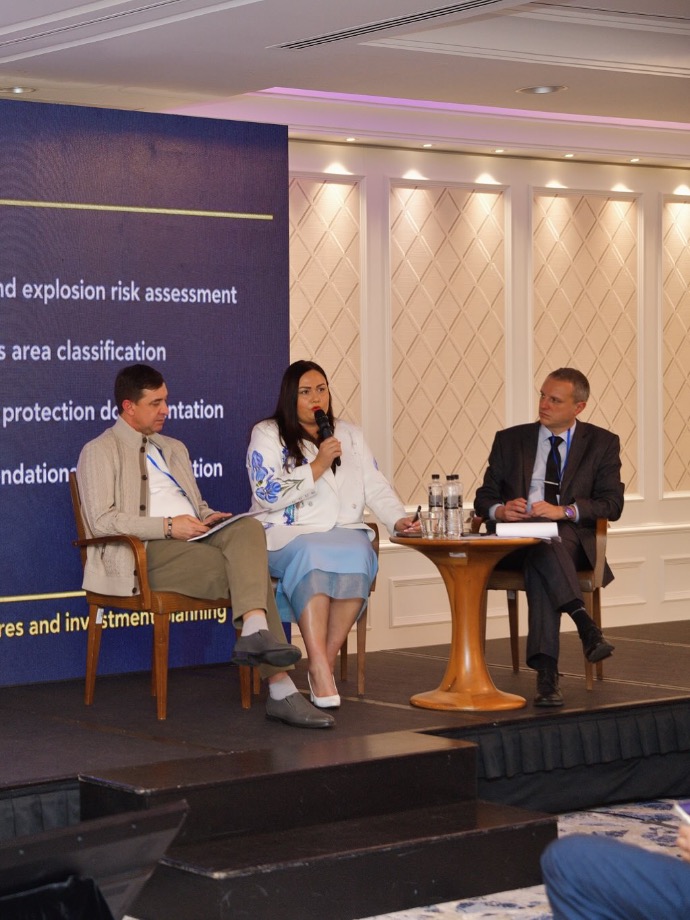
Yaroslava Moskalenko, Director of STIF Eastern Europe, participated in the panel discussion, highlighting the relationship between industrial safety, industrial risk insurance, and investment attraction.
During the discussion, she emphasized that industrial safety should be viewed not only as an engineering challenge or regulatory requirement, but also as an essential component of asset protection and long-term investment resilience.
Investing in Manufacturing Also Means Investing in Its Protection
Building a new grain elevator, modernizing a grain processing facility, or launching a production line requires significant capital investment. Investors evaluate equipment performance, project economics, payback periods, and business growth prospects.
However, an equally important factor is a company's ability to prevent industrial accidents, mitigate their consequences, and maintain operational continuity.
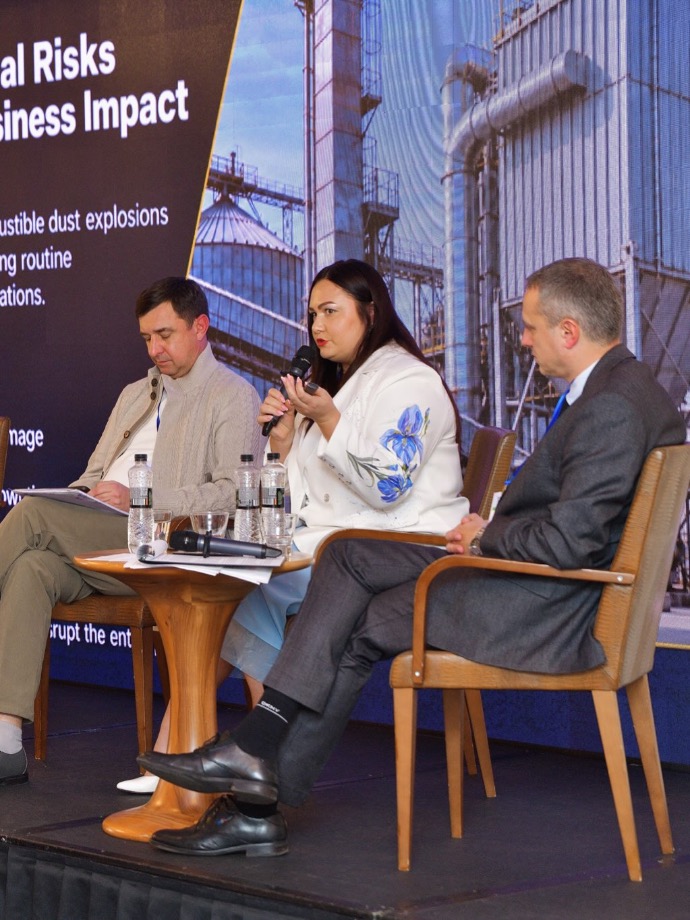
For facilities handling combustible bulk materials, such as grain, flour, animal feed, or wood dust, the risk of dust explosions requires particular attention.
Even a localized incident involving a bucket elevator, filter, or other processing equipment can cause substantial damage, production shutdowns, repair costs, and disruptions to contractual obligations.
For businesses, the consequences extend beyond direct repair expenses. They may include lost revenue, ongoing costs during downtime, supply chain disruptions, and the potential loss of customers.
We often discuss the need to attract investment into Ukrainian industry. But we should also ask another important question: how well will these investments be protected? Modern equipment and high productivity do not guarantee business resilience if industrial risks are overlooked. I believe industrial safety must be part of investment planning, rather than an issue addressed only after an accident occurs.
An Integrated Approach to Industrial Explosion Protection
One of the issues raised by Yaroslava Moskalenko during the panel discussion was the importance of an integrated approach to protecting industrial facilities.
Such an approach involves more than installing individual protective devices. It combines technologies for detecting hazardous conditions, preventing incidents, isolating explosions, and limiting their consequences.
In particular, VIGILEX technologies provide explosion venting and overpressure relief for industrial equipment, while STUVEX solutions complement integrated protection through explosion detection and active explosion suppression technologies.
The effectiveness of these systems depends on proper risk assessment, selecting equipment suitable for specific operating conditions, integrating protective solutions into production processes, and ensuring appropriate maintenance.
For industrial enterprises, this means moving beyond individual safety devices toward a systematic approach to industrial risk management.
A Ukrainian Case Study: The Practical Value of VIGILEX Technologies
Particular attention during the discussion was given to a real incident at a Ukrainian grain terminal that was struck by a drone.
The facility's processing equipment was equipped with VIGILEX explosion vent panels manufactured by the French company STIF.
According to the information presented about the incident, the panels activated and released excess pressure. This helped preserve the equipment's structural integrity and limit secondary damage.
The case demonstrated how engineering solutions implemented in advance can play a crucial role in protecting industrial assets during extraordinary circumstances.
VIGILEX explosion vent panels are designed to protect industrial equipment against excessive pressure generated by internal explosions. When a predetermined pressure level is reached, the panel opens, allowing explosion gases and pressure to be released while reducing the mechanical load on the equipment structure.
At the same time, VIGILEX is not designed to protect against external impacts. Its primary function is industrial explosion venting.
This Ukrainian case highlighted the practical importance of preventive engineering measures and the value of implementing them during the design or modernization stages of industrial facilities.
From Risk Assessment to Investment Planning: ISMA Expertise
Another important topic addressed during the panel discussion was professional explosion risk assessment as a foundation for well-informed engineering and investment decisions.
STIF Eastern Europe presented the expertise of ISMA Explosion Safety Consultancy, part of the STIF Group, specializing in the assessment of explosion hazards in industrial processes.
ISMA's services include explosion risk assessment, hazardous area classification, preparation of explosion protection documentation, and recommendations for risk reduction.
As an example of this approach in practice, STIF Eastern Europe highlighted a Ukrainian risk assessment project initiated by the company with the involvement of ISMA's expertise.
The findings of such assessments help industrial enterprises identify the most critical areas of their operations, select appropriate protective measures, and plan the necessary investments.
For company management, this creates an opportunity to move from responding to accidents toward systematic risk management, where engineering solutions, budgeting, and industrial safety form part of an integrated process.
How Is Industrial Safety Connected to Insurance and Financing?
One of the central topics raised by STIF Eastern Europe during the panel discussion was the relationship between technical protection measures, risk assessment, and financial instruments.
For insurance companies, it is important to evaluate not only the value of industrial assets but also the nature of production processes, potential accident scenarios, the scale of possible losses, and the effectiveness of existing protective measures.
For investors, these same factors are closely linked to operational predictability, asset preservation, downtime risks, and a company's ability to meet its financial obligations.
Therefore, documented industrial risk management can become an important argument in discussions with insurance companies, banks, and potential investors.
What matters is not only the installation of protective systems but also documented evidence of their proper implementation, including risk assessment reports, technical documentation, modernization plans, equipment maintenance records, and ongoing monitoring.
Such measures may positively influence an enterprise's risk profile and insurance terms, although specific decisions depend on the insurer's policies, the characteristics of the facility, and other relevant factors.
For investment projects, this means that industrial safety should be incorporated into financial and technical planning from the very beginning, rather than treated as an additional expense after production has already started.
STIF Eastern Europe: European Technologies Supporting the Resilience of Ukrainian Industry
Participation in U-Nation Capital Summit 2026 provided STIF Eastern Europe with an opportunity to contribute to an international dialogue on the development of Ukrainian industry and draw the business community's attention to the role of engineering technologies in reducing industrial risks.
As the official representative of the French STIF Group in Ukraine, the company provides European technologies for bulk material handling, industrial explosion protection solutions from VIGILEX and STUVEX, as well as engineering expertise in explosion risk assessment.
STIF Eastern Europe supports Ukrainian industrial enterprises in integrating modern safety technologies into their production processes, taking into account equipment specifications, industry requirements, and long-term business objectives.
Industrial safety is not an optional addition to an industrial project. It is an essential component of asset protection, business continuity, and long-term investment resilience.
STIF Eastern Europe remains committed to advancing this approach in Ukraine by combining European technologies, engineering expertise, and the practical needs of Ukrainian industry.